
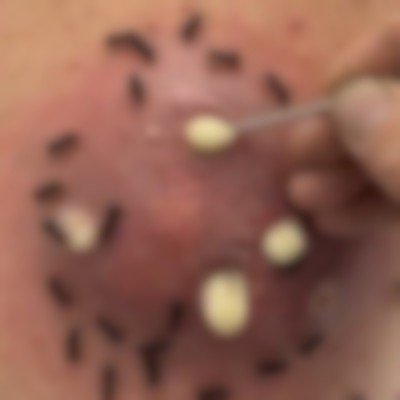
Acne is one of the most common skin conditions worldwide, affecting millions of teenagers and adults. Although it is often associated with adolescence, breakouts can occur at almost any age. For some people, acne appears occasionally, while others experience persistent blemishes that can affect their skin health, confidence, and everyday lives.
From small blackheads and whiteheads to inflamed pimples and deeper cysts, acne can vary significantly in appearance and severity. Understanding why it develops, what triggers breakouts, and which treatments are available can make managing the condition much easier.
What Causes Acne?
Acne develops when hair follicles become clogged with excess oil (sebum) and dead skin cells. Naturally occurring bacteria on the skin can also contribute to inflammation, resulting in different types of blemishes.
Several factors can influence acne development, including:
- Hormonal changes: Fluctuations during puberty, menstruation, pregnancy, and other hormonal changes can increase oil production.
- Genetics: People with a family history of acne may have a greater tendency to experience breakouts.
- Excess oil production: Overactive sebaceous glands can contribute to clogged pores.
- Certain skincare products: Heavy or pore-clogging cosmetics may worsen breakouts in some individuals.
- Medications: Certain medicines can contribute to acne-like eruptions.
Continue Reading…
Everyday Habits That May Make Acne Worse
Although acne is not caused by poor hygiene, certain habits and environmental factors may aggravate existing breakouts.
For example, frequently touching the face, picking pimples, using harsh exfoliating products, and wearing oily skincare or makeup products may irritate the skin.
Stress may also contribute to flare-ups, while some people notice changes in their acne depending on their diet.
However, triggers vary from person to person, and acne is not simply the result of eating certain foods or failing to wash the face properly.
How Can Acne Be Managed?
A gentle and consistent skincare routine can help support healthier skin.
Washing the face twice daily with a mild cleanser, choosing non-comedogenic moisturizers, and using sunscreen can help reduce irritation and protect the skin.
Depending on the type and severity of acne, treatments may include ingredients such as benzoyl peroxide, salicylic acid, and topical retinoids.
People with persistent, painful, or severe acne should consider consulting a dermatologist. Early treatment can help reduce inflammation and lower the risk of permanent scarring.
It is also important to avoid squeezing or picking pimples, as this can increase inflammation and the possibility of marks or scars.
Continue Reading…
Why Understanding Acne Matters
Acne affects more than just the appearance of the skin. Persistent breakouts can sometimes contribute to embarrassment, frustration, and reduced self-confidence.
Learning about the condition can help people make informed skincare decisions, recognize potential triggers, and find suitable treatment options.
There is no single solution that works for everyone. Skin type, age, hormonal factors, and acne severity all influence which approach may be most appropriate.
With patience, appropriate treatment, and a consistent skincare routine, many people can achieve significant improvements in their skin.
What should you remember? Acne is a common and treatable skin condition. Understanding its causes, recognizing potential triggers, and seeking appropriate care can make a meaningful difference.
Watch the video below to discover more about acne, why breakouts happen, common mistakes to avoid, and practical ways to support clearer, healthier-looking skin.