
Viral Rumors Claim Donald Trump Was Shot Again: What Is Actually Verified?
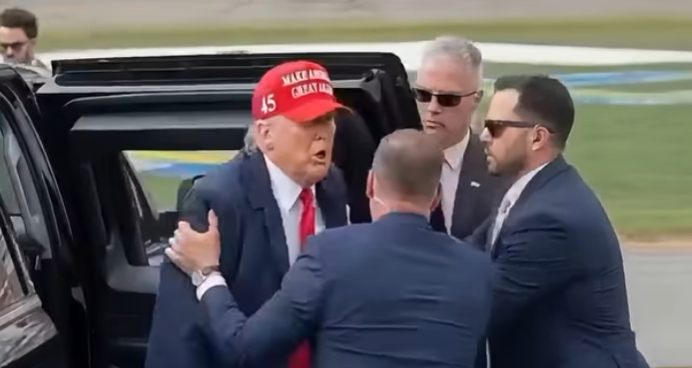
Alarming social media posts claiming that Donald Trump had been shot again in Washington, D.C., have circulated online, prompting questions and confusion. However, the viral allegation has not been supported by credible reporting, and readers should be cautious about treating dramatic online claims as confirmed news.
The episode highlights a growing challenge in the digital age: how quickly an unverified story can spread before reliable information becomes available.
No Credible Evidence Supports the Viral Claim
Posts suggesting that Trump was involved in a new shooting have used urgent language that makes the claim appear to be breaking news. Yet, a dramatic headline or widely shared video is not proof that an incident occurred.
As of October 16, 2026, searches of available reporting did not identify credible confirmation of a new shooting involving Trump in Washington, D.C. The claim should therefore be treated as unverified, rather than repeated as an established fact.
Readers can check reputable news organizations and official statements for updates on serious incidents involving public figures. Until trustworthy evidence emerges, it is important to avoid sharing the allegation as though it were confirmed.
Why the Rumor May Sound Familiar
Part of the reaction may stem from the documented assassination attempt against Trump on July 13, 2024, during a campaign rally in Butler, Pennsylvania. Trump was wounded in that attack, which received extensive national and international coverage.
Because the incident remains widely remembered, old photographs, video clips, and references to the 2024 attack can be misleading when presented without context. Recycled footage or an inaccurate caption may give viewers the impression that a new event has taken place.
That is why checking the original source, publication date, and surrounding context matters whenever a dramatic video or headline begins circulating online.
How Misinformation Spreads Across Social Media
Stories involving political leaders, violence, and public safety often attract immediate attention. Content that provokes fear, surprise, or outrage can encourage people to react and repost before checking the facts.
Several warning signs deserve attention:
- Sensational headlines: Claims that use urgent language but provide no verifiable details.
Continue reading…
- Missing sources: Posts that cite no official statement or reputable news report.
- Old or unrelated footage: Images and videos presented without a reliable date or context.
- Unverified screenshots: Images of supposed news alerts that cannot be traced to an authentic publication.
None of these signs automatically proves that a claim is false, but they are reasons to pause and investigate before sharing it.
Why Responsible Reporting Matters
False reports about shootings and other emergencies can create unnecessary anxiety, confuse public discussion, and weaken trust in legitimate journalism. When inaccurate claims spread widely, it can also become harder for readers to distinguish genuine emergencies from fabricated stories.
Responsible reporting requires a clear separation between confirmed information, allegations, and unanswered questions. The same principle applies to social media users: checking multiple reliable sources is more useful than relying on the number of shares or comments a post receives.
What Readers Should Know
The viral claim that Donald Trump was shot again in Washington, D.C., has not been substantiated by credible evidence available in the reporting reviewed for this article. Readers should look for confirmation from established news organizations and relevant official sources before accepting or sharing the allegation.
The broader lesson is simple: a story spreading rapidly online does not make it true. Taking a moment to verify a claim can help prevent confusion and keep public conversations grounded in facts.
What do you think about the spread of unverified breaking-news claims on social media? Share your thoughts in the comments, and remember to check reliable sources before reposting alarming headlines.