
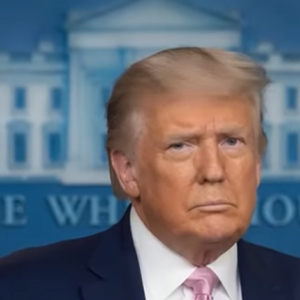
For a moment, everything seemed ordinary.
Then the tone changed.
A routine television broadcast was suddenly interrupted, and viewers watching from homes, airports, restaurants, and workplaces found themselves staring at the screen. Anchors shifted from casual conversation to a noticeably more serious delivery as producers prepared to share an important bulletin.
The exact details were not immediately clear.
That uncertainty was enough to capture attention.
When a breaking-news interruption involves a figure as politically prominent as Donald Trump, even a few seconds of incomplete information can trigger an enormous reaction. Phones begin lighting up. Social-media feeds move rapidly. Messages arrive from friends and family asking the same question: What happened?
For many viewers, the most memorable part is often not the announcement itself but the silence that comes before it.
Keep reading…
There is something uniquely powerful about watching a live broadcast change in real time. The familiar rhythm disappears. Music stops. Conversations are interrupted. Anchors become more deliberate. Everyone waits for the next sentence.
That brief pause creates a vacuum—and the internet immediately tries to fill it.
Speculation can spread faster than verified information, particularly when millions of people are watching the same developing story. A vague post can become a rumor. A rumor can become a headline. And within minutes, people may begin reacting to an event before the facts surrounding it are even established.
That is one of the defining challenges of modern breaking news.
The speed of information can be extraordinary, but speed does not always equal accuracy. Viewers are often left balancing two competing instincts: the desire to know immediately and the need to wait for reliable confirmation.
Trump’s long history as a political leader and public figure makes that dynamic even more intense. His name has been connected to major political developments, controversies, elections, court proceedings, and national debates for years. As a result, any unexpected bulletin involving him can instantly become a major online conversation.
But the most responsible response to an unfolding story is often surprisingly simple: pause, verify, and wait for credible details.
Breaking news is rarely finished when the first alert appears. The initial report may contain only part of the picture, with additional information emerging as journalists confirm what happened.
That first moment of uncertainty can feel enormous.
Yet sometimes the most important story is not the speculation surrounding the announcement, but the reminder that facts deserve a chance to catch up with the headlines.
How do you react when a major breaking-news alert interrupts your day? Do you immediately follow the story, or wait for confirmation? Share your thoughts below.