
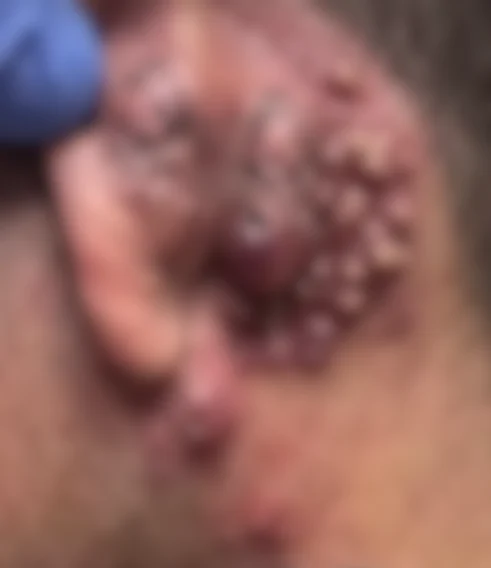
Noticing an unexpected change in your skin can be frustrating. One day, everything seems normal; the next, you spot bumps, redness, irritation, or a patch that simply refuses to settle down. Naturally, you may start wondering what caused it—and whether you should be concerned.
The truth is that skin changes can have many different causes, and appearance alone rarely tells the whole story. Understanding what might be happening is the first step toward choosing the right care without unnecessary worry.
Why Can Similar Skin Problems Look So Different?
Several common skin concerns can produce overlapping symptoms. Acne may cause inflamed bumps, clogged pores, and occasional tenderness. Folliculitis, which involves inflammation of hair follicles, can resemble small pimples and sometimes cause itching or discomfort. Irritation from skincare products, shaving, sweat, or friction can also leave skin looking red or uneven.
Other conditions may produce similar changes, which is why diagnosing a problem from a photograph or short description can be difficult.
The timing may offer useful clues. Did the change appear after trying a new cleanser, lotion, or cosmetic product? Has the area become more irritated after shaving or exercising? Are the bumps spreading, becoming painful, or gradually improving?
These details can help a healthcare professional understand what may be contributing to the problem.
However, it is important not to jump to conclusions. A sudden or unusual appearance does not automatically mean something serious is happening, but persistent or worsening symptoms deserve appropriate attention.
Simple Steps to Care for Irritated Skin
While you are figuring out the cause, a gentle routine is often a sensible starting point.
- Cleanse gently: Use a mild cleanser and lukewarm water rather than scrubbing the affected area.
- Keep products simple: A fragrance-free moisturizer may help support the skin barrier and reduce dryness.
- Avoid picking or squeezing: Manipulating bumps can increase inflammation, introduce bacteria, and raise the risk of scarring.
- Pause potential irritants: If a new product seems connected to the change, consider stopping it until you can assess the situation.
- Seek professional advice: A dermatologist can examine the area, review your symptoms, and recommend treatment appropriate for the underlying cause.
Avoid harsh home remedies or aggressive extraction techniques, especially when you do not know what is causing the problem.
When Should You Seek Medical Attention?
Arrange a medical assessment if the skin change persists, repeatedly returns, spreads, or causes significant discomfort. Seek prompt care if redness spreads rapidly, pain becomes severe, fever develops, or swelling appears near the eyes. Rapid swelling involving the lips or tongue, or difficulty breathing, requires emergency medical attention.
Remember, healthy skin is not about achieving perfection. It is about understanding what your body may need and responding with informed, gentle care rather than judgment.
Have you ever experienced an unexpected skin change? Share your general skincare tips in the comments, and remember that a qualified professional is the best person to assess persistent concerns.