
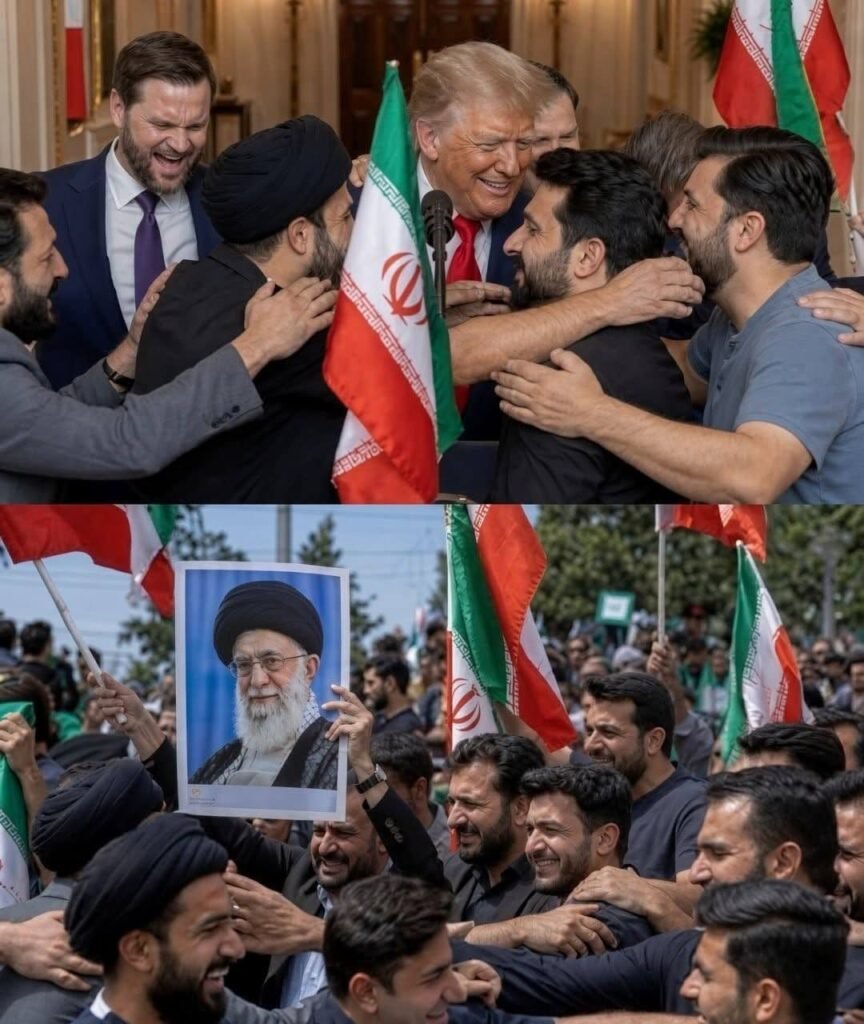
U.S.–Iran Talks Continue Amid Rising Tensions Over the Strait of Hormuz
Efforts to reach an agreement between the United States and Iran remain uncertain as negotiations continue over maritime access, economic sanctions, and Tehran’s nuclear program. Disagreements over key terms have complicated the discussions, while reports of military activity have added further pressure to an already delicate situation.
Speaking during a visit to India, U.S. officials emphasized the importance of reopening the Strait of Hormuz, a strategic waterway that plays a major role in international energy transportation.
“The straits have to be open, they’re going to be open,” Secretary of State Marco Rubio said, describing the situation as unlawful and unsustainable for the global economy.
His remarks reflect Washington’s position that unrestricted maritime movement is essential to international trade and regional stability.
Negotiations Continue in Qatar
Rubio also indicated that discussions were taking place in Qatar, with negotiators working through specific language in an initial document. Although progress remained possible, he cautioned that reaching an agreement would require additional time.
The administration has maintained that it wants a favorable deal but is unwilling to accept an agreement it considers inadequate.
Iranian officials have also acknowledged progress on some issues while warning against expectations of an immediate breakthrough.
Foreign Ministry spokesman Esmaeil Baqaei said that substantial portions of the issues under discussion had reached a conclusion, but stressed that this did not mean a final agreement was imminent. He also accused Washington of changing its positions during the negotiations.
These differing assessments highlight the challenges facing both sides as they attempt to turn preliminary understandings into a comprehensive agreement.
Military Activity Adds to Uncertainty
Diplomatic efforts have continued alongside reports of military tensions in the region.
According to the supplied account, a senior U.S. military official said American forces operating in support of a blockade involving Iranian ports faced threats from Iranian surface-to-air missiles. The report also described U.S. strikes near Bandar Abbas, an Iranian port and naval base.
The reported military activity occurred as Iranian officials gathered in Qatar for negotiations aimed at ending the conflict.
Such developments can complicate diplomatic efforts by increasing pressure on negotiators and raising concerns about further escalation. However, the precise circumstances and implications of the reported incidents would require additional official confirmation.
The situation illustrates the difficulty of conducting negotiations while military operations and security concerns remain unresolved.
Continue reading..
What Could a Potential Agreement Include?
The proposed terms outlined in the report involve several major issues.
One central condition is the reopening of the Strait of Hormuz in exchange for the United States lifting its blockade. The discussions also reportedly include possible limits on Iran’s nuclear enrichment activities and potential relief from American sanctions.
Each issue presents significant challenges. Washington is seeking commitments intended to address security concerns, while Tehran has its own economic and political priorities.
Sanctions relief could offer Iran important economic benefits, but the extent of any concessions would depend on the final terms. Similarly, changes to nuclear activities would require clear commitments and a framework for determining whether those commitments were being met.
Although the report suggests that the two sides may share some basic understandings, the details remain critical. Agreement on broad principles does not necessarily guarantee that negotiators will resolve every outstanding disagreement.
A Deal Remains Uncertain
The negotiations could have consequences well beyond the immediate relationship between Washington and Tehran.
The Strait of Hormuz is an important route for global energy shipments, meaning prolonged disruption could affect shipping, energy markets, and international trade. A durable agreement could help reduce uncertainty, while continued disagreement could leave the region facing further instability.
For now, the central question is whether both governments can settle the remaining differences and establish terms they are prepared to accept.
Statements from both sides indicate that discussions have covered substantial ground, but neither side has confirmed that a final agreement is imminent.
As negotiations continue, the outcome will depend on the details of any proposed deal, the willingness of both governments to compromise, and developments on the ground.
Do you think diplomatic negotiations can resolve the dispute over the Strait of Hormuz, or will major disagreements continue to stand in the way? Share your thoughts in the comments.